Our Mission

The mission of MY NITNEM is to provide accurate, evidence-informed information to the community through workshops and psychoeducation focused on chronic illnesses and holistic well-being. The organization shall promote health by relying on universal standards of care and shall provide aid to communities in crisis through care packages and post-relief services. The long-term goal is to develop a sustainable organization capable of expanding its impact globally.
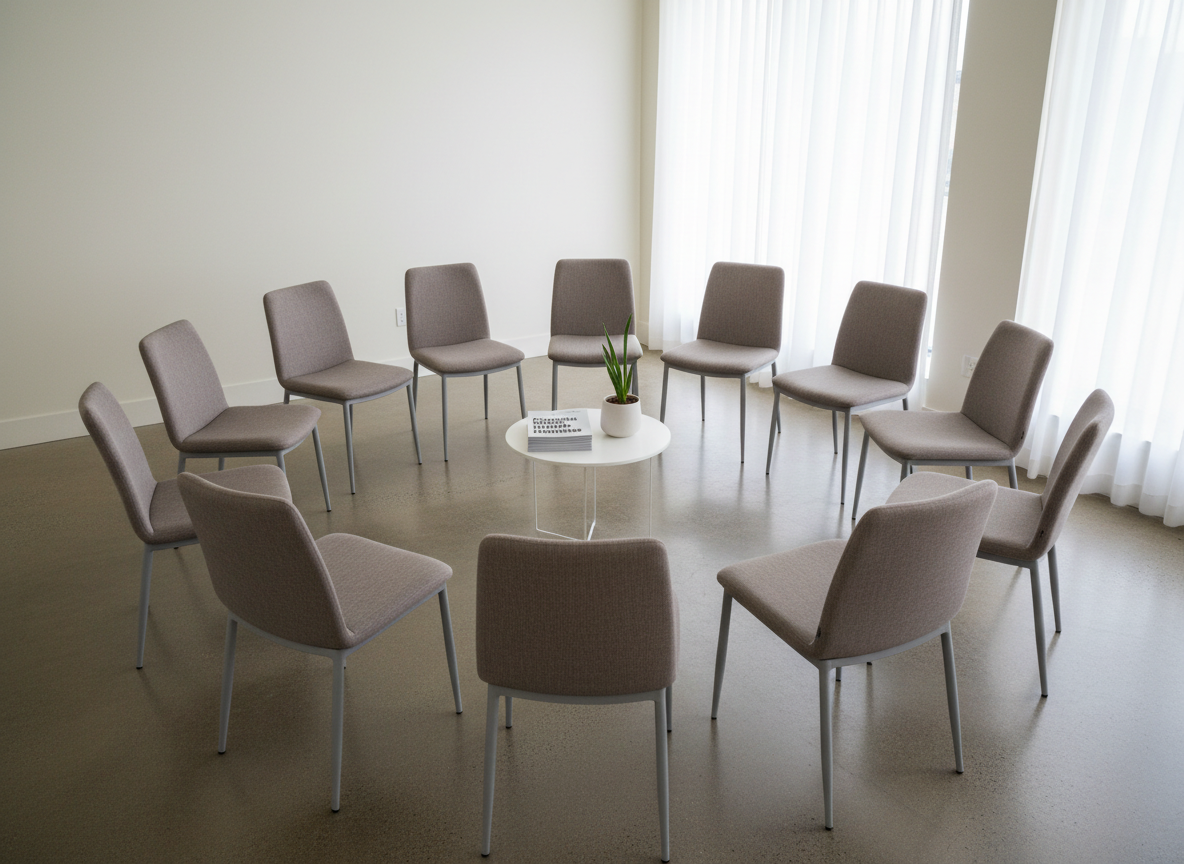
An orderly circle of minimalist, upholstered chairs in warm gray fabric, empty yet inviting, arranged with perfect spacing in a bright, uncluttered room. In the center, a low, round white table holds a stack of simple, monochrome brochures titled “Coping with Chronic Conditions” and “Mental Health Matters,” along with a small, matte ceramic planter containing a single green plant. Large, sheer-covered windows allow soft natural light to fill the space, creating subtle gradients of brightness on the smooth walls and polished floor. Photographed from a slightly elevated, wide perspective with balanced composition, the image feels safe, non-judgmental, and quietly supportive, symbolizing community workshops and group discussions without depicting any people.
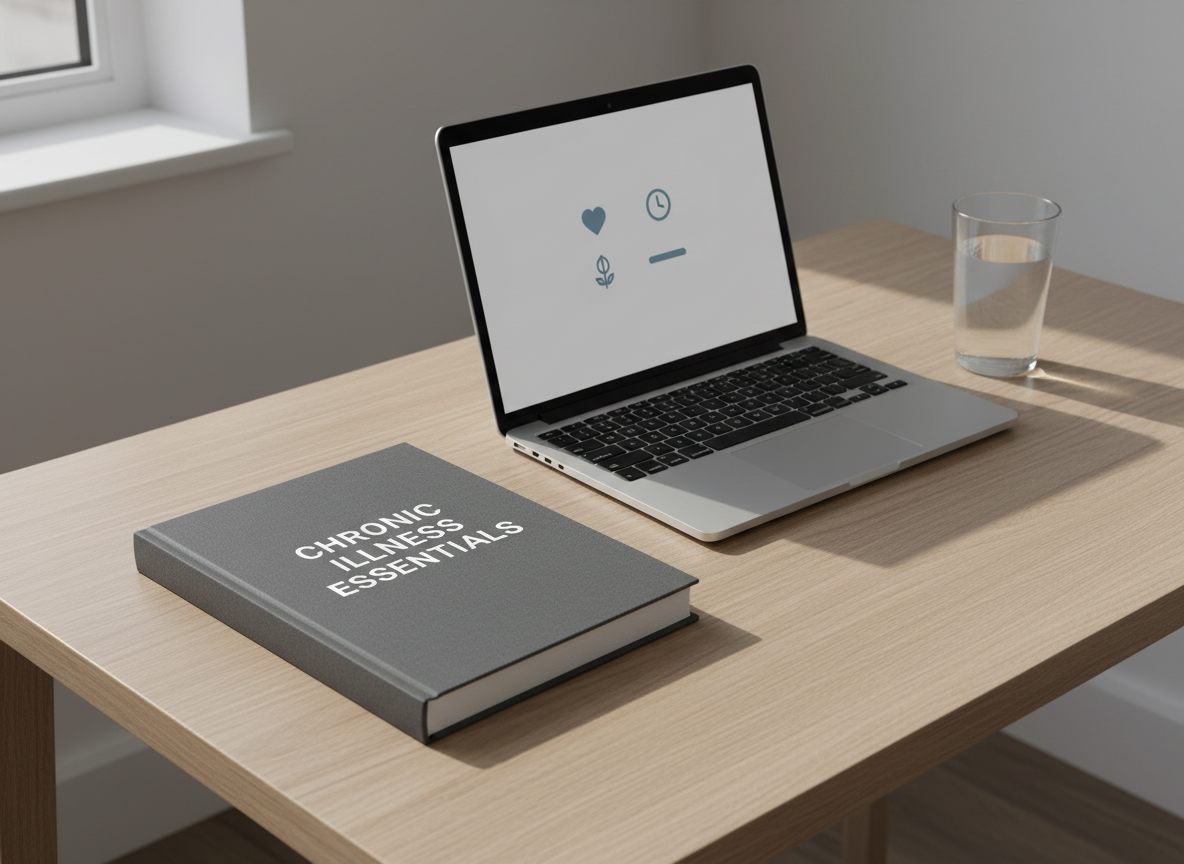
A neatly arranged desktop featuring a thick, slate-gray hardcover handbook titled “Chronic Illness Essentials” in clean sans-serif lettering, its matte cover subtly textured. The book rests beside a brushed aluminum laptop displaying a minimal dashboard of health icons, and a slim glass of water on a pale oak surface with crisp edges. Soft daylight from an unseen window washes across the scene, creating gentle, linear shadows that emphasize the clean lines and structured layout. Photographic realism, neutral grays, soft whites, and muted blues dominate the palette. Shot from a slightly elevated angle with sharp focus throughout, the mood is professional, calm, and trustworthy, evoking accurate, accessible health information without clutter or distraction.

Our Mission

MY NITNEM is dedicated to accurate chronic illness information and inclusive wellness education, offering workshops that build knowledge, reduce stigma, and strengthen community resilience.

Meet our experts
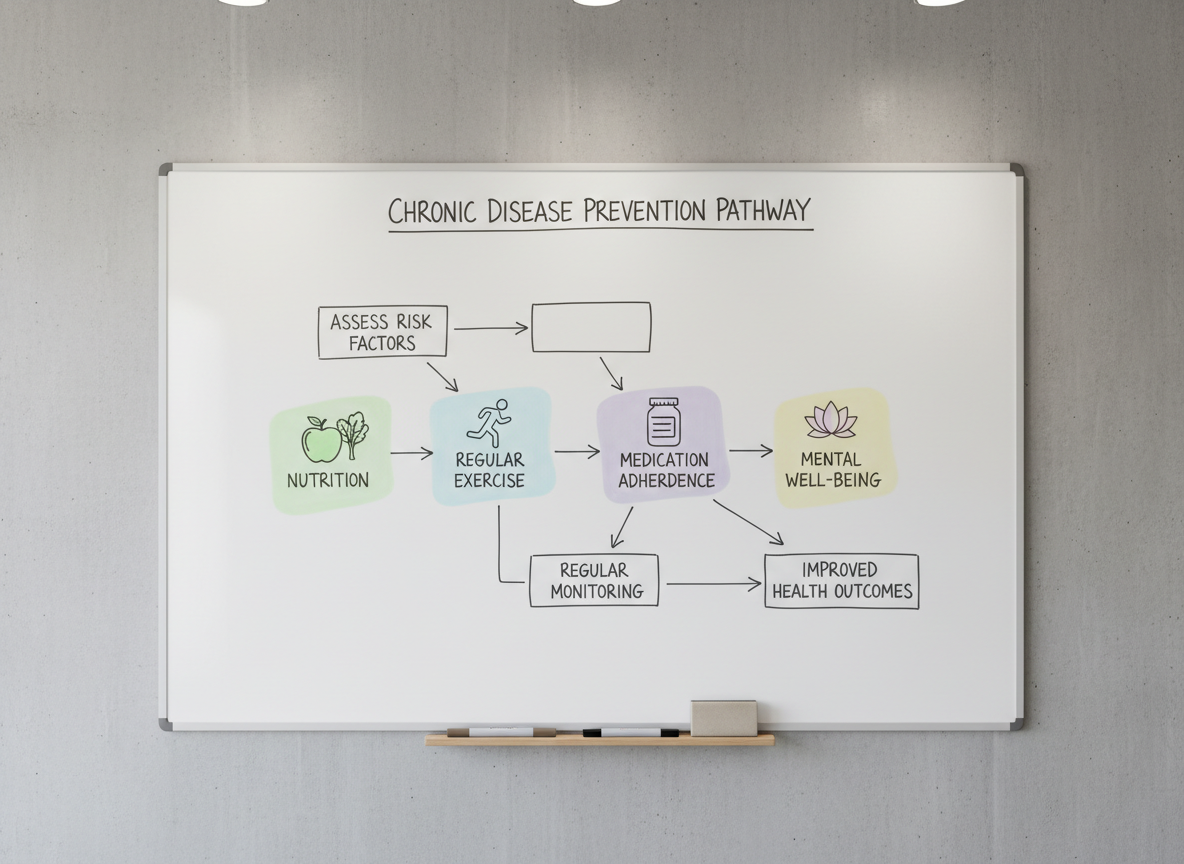
A close-up, eye-level view of a large, clean whiteboard mounted on a smooth concrete wall, covered with a carefully drawn flowchart of chronic disease prevention steps in precise, dark gray marker. Simple icons represent nutrition, exercise, medication adherence, and mental well-being, each encircled in soft pastel shapes. Below the board, a slim ledge holds neatly aligned markers and an eraser, all in neutral tones. Overhead recessed lighting provides soft, even, shadow-free illumination, highlighting the crisp lines and organized structure. The background remains minimal and slightly out of focus, maintaining attention on the prevention roadmap. The mood is analytical and hopeful, conveying clarity, structure, and an evidence-based approach to health education.


Aarav Sharma


CEO

A seasoned health educator and chronic illness advocate, she collaborates with diverse communities to translate research into practical, compassionate guidance that supports daily resilience.

A spacious, modern conference room table in light ash wood, meticulously organized with color-coded binders labeled “Diabetes,” “Hypertension,” “Mental Health,” and “Prevention Strategies.” Each binder has neatly tabbed sections and simple, icon-based covers in muted teal, charcoal, and sand tones. A central, low glass bowl holds fresh green leaves, adding a subtle touch of vitality. Diffused overcast light enters through tall, frosted windows, casting soft, even illumination with minimal shadows. The composition is symmetrical along the table’s length, photographed at eye level to emphasize structure and order. The atmosphere is serious yet welcoming, suggesting focused educational workshops about chronic conditions in a professional, corporate-style environment.


Mateo García


CTO

With background in public health and patient advocacy, he designs interactive sessions that simplify complex conditions, encourage critical thinking, and foster safe, inclusive discussion.

An orderly circle of minimalist, upholstered chairs in warm gray fabric, empty yet inviting, arranged with perfect spacing in a bright, uncluttered room. In the center, a low, round white table holds a stack of simple, monochrome brochures titled “Coping with Chronic Conditions” and “Mental Health Matters,” along with a small, matte ceramic planter containing a single green plant. Large, sheer-covered windows allow soft natural light to fill the space, creating subtle gradients of brightness on the smooth walls and polished floor. Photographed from a slightly elevated, wide perspective with balanced composition, the image feels safe, non-judgmental, and quietly supportive, symbolizing community workshops and group discussions without depicting any people.


Zuri Ndlovu


Engineer

Drawing on clinical experience and lived experience, this facilitator creates supportive spaces where participants share challenges, celebrate wins, and access credible, actionable wellness resources.

A neatly arranged desktop featuring a thick, slate-gray hardcover handbook titled “Chronic Illness Essentials” in clean sans-serif lettering, its matte cover subtly textured. The book rests beside a brushed aluminum laptop displaying a minimal dashboard of health icons, and a slim glass of water on a pale oak surface with crisp edges. Soft daylight from an unseen window washes across the scene, creating gentle, linear shadows that emphasize the clean lines and structured layout. Photographic realism, neutral grays, soft whites, and muted blues dominate the palette. Shot from a slightly elevated angle with sharp focus throughout, the mood is professional, calm, and trustworthy, evoking accurate, accessible health information without clutter or distraction.


Leila Haddad


Designer

A multidisciplinary trainer committed to prevention, she emphasizes practical habits, self-care, and mental health awareness, helping attendees apply small changes for lasting health benefits.


Reviews

A close-up, eye-level view of a large, clean whiteboard mounted on a smooth concrete wall, covered with a carefully drawn flowchart of chronic disease prevention steps in precise, dark gray marker. Simple icons represent nutrition, exercise, medication adherence, and mental well-being, each encircled in soft pastel shapes. Below the board, a slim ledge holds neatly aligned markers and an eraser, all in neutral tones. Overhead recessed lighting provides soft, even, shadow-free illumination, highlighting the crisp lines and organized structure. The background remains minimal and slightly out of focus, maintaining attention on the prevention roadmap. The mood is analytical and hopeful, conveying clarity, structure, and an evidence-based approach to health education.


Aya Nakamura

“This program helped me understand my condition without fear, and the supportive space gave me the confidence to take meaningful steps toward my health.”

A spacious, modern conference room table in light ash wood, meticulously organized with color-coded binders labeled “Diabetes,” “Hypertension,” “Mental Health,” and “Prevention Strategies.” Each binder has neatly tabbed sections and simple, icon-based covers in muted teal, charcoal, and sand tones. A central, low glass bowl holds fresh green leaves, adding a subtle touch of vitality. Diffused overcast light enters through tall, frosted windows, casting soft, even illumination with minimal shadows. The composition is symmetrical along the table’s length, photographed at eye level to emphasize structure and order. The atmosphere is serious yet welcoming, suggesting focused educational workshops about chronic conditions in a professional, corporate-style environment.


Mateo García

“I found practical tips I could apply at home, and the mentors respected my pace, making the journey toward better health feel possible.”